Why People Quit The Artist’s Way (And How to Finally Finish It)
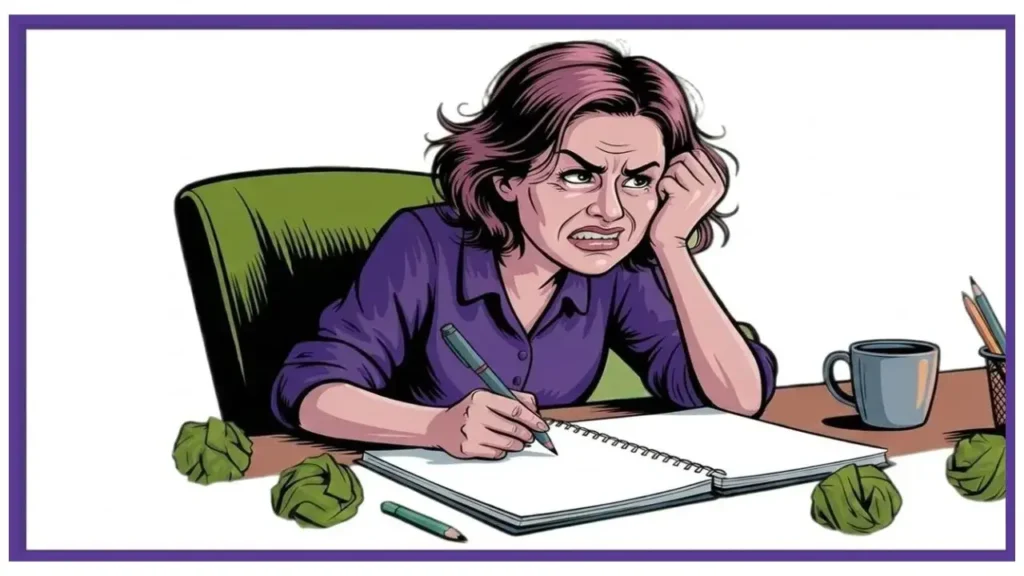
Are you one of the many who bought the Artist’s Way book – read a few pages and quit? This article will tell you why people quit the Artist’s Way.
When you add a community, a slower pace, and a structure built for real people with real lives – people who support each other -you will finish the Artist’s Way. It is the community of people who keep you going when it gets uncomfortable.
I have been facilitating this program for 30 years and never once did it occur to me to do The Artist’s Way alone. And another thing – The Artist’s Way book is not just for official artists – this is a fantastic book for anyone who feels stressed out, irritable and discontent. It is about bringing the easy joy we experienced as kids back in our life.
Not because I had some brilliant insight about group dynamics. But because the moment I picked up Julia Cameron’s book, something in my gut told me this is an “us” program.
I’d learned from other programs that individuals fail where like-minded groups succeed. That instinct changed everything, and it’s exactly why I created The Artist’s Way Reimagined.
But before I get to that, let me talk about why people quit The Artist’s Way. Because you may have experienced at least one of these yourself.
Most people quit The Artist’s Way because they try to do it alone.
I will talk about the real reasons people abandon Julia Cameron’s program – and the one shift that changes everything.
Why People Quit The Artist’s Way (The Real Reasons)
Over the years – across dozens of groups I’ve facilitated – I’ve heard the same reasons over and over:
- They gave up because they didn’t like morning pages, and assumed if that one piece didn’t click, nothing else in the book would either
- They felt too rushed, trying to jam something new into an already overbooked life
- They skipped artist dates because there was simply no time
- They didn’t see the point of the exercises
- They got halfway through and quit – not because it wasn’t working, but because it was
That last one is the cruelest. Because looking at yourself honestly can hurt. And without someone beside you saying I know, me too, keep going – most people stop right at the moment they’re about to break through.
I’ve watched it happen in nearly every group I’ve facilitated. There is always at least one person who gets to the middle and steps away. And what I’ve witnessed, consistently, is this – there is no way around some uncomfortable parts, only through. You have to walk through the discomfort.
You can build a wildly successful business and still have something hidden and unexamined calling the shots without your permission – until you walk through it. This can affect your relationships, your health, and other things you once held close to your heart.

How to Stop Quitting The Artist’s Way | Start With Community
I knew early in my glass-melting career that going solo was going to hurt me.
I hated networking and never grew to love it in business. But I noticed something – the artists getting the attention I wanted were the ones showing up together, connecting, supporting each other. So I started doing it too – uncomfortable and imperfect as it felt.
I carry that lesson everywhere now. I’m active in my community and politically, and you will find me today as part of a group, because groups make things happen that lone individuals simply can’t. One person cannot solve world hunger. But one person running a food drive can make a real difference in a few lives. That’s paying it forward in its most tangible form.
What I discovered inside a supportive creative community is the thing I most want for you, the moment you realize you are not alone in how you feel. That your fears, your resistance, your inner critic, other people have those too. And somehow, knowing that makes all the difference.

Is The Artist’s Way Too Overwhelming? How to Find a Sustainable Pace
Overwhelm is just another way to procrastinate. I know this because the moment I feel stressed out I pick one tiny step and the overwhelm dissolves and progress begins. Every time.
Joan Baez is credited with saying “The best antidote to despair is action”. And Joan would know!
The original Artist’s Way moves through one chapter per week for twelve weeks. For people with full lives, which today is all of us, that pace can feel relentless. Tasks pile up. Morning pages feel like a burden. Artist dates feel impossible. And instead of creative freedom, people find themselves with another obligation they’re already behind on.
My own relationship with overwhelm came from being afraid of everything. People especially. I lacked confidence in ways that quietly ran my life. The turning point wasn’t a single revelation, it was a slow accumulation of trying things, making mistakes, and learning that imperfect and finished is better than perfect and never attempted.
I now call myself a recovering perfectionist. When I stopped insisting everything had to be flawless, doors opened wider than I ever imagined. Progress not perfection is the goal.

Your Life Looks Fine, So Why Do You Feel Off?
You’re doing everything “right, and still feel off.
- Tired… even after rest
- Irritated by small things
- Something feels missing—but you can’t name it
- This free short guide can help you pause, reflect, and reveal what may really be going on beneath the surface. Download the 5- Minute Reset Guide here and try it for yourself. It’s free!
Before I even finished the Artist’s Way book the first time I had the guts to say out loud – “I am going to be one of the best Venetian glass bead makers ever!” I bought a special torch, some glass, and started melting glass. I had a ton of excuses I could have used, believe me I tried!
The ladies in my group dispelled every excuse I had. I thought having a teeny tiny counter in the small home I was renting was valid, or that I couldn’t quit my job because I needed to pay rent.
I quit my paying job – the worst job I ever had – this gave me the time to practice and practice.
That led to a 30-year career as an award-winning glass artist. Glass led me to making glass and metal jewelry to fiber art and making clothing. In other words now that I got rid of the perfectionism I tried anything that caught my eye.
And today? There is truly nothing I won’t try – including Formula 1 car racing – which is a blast!
Show Up Scared!
How Accountability Keeps You From Abandoning Your Creative Goals
I have a gazillion ideas. You probably do too.
And here’s what I know about ideas, without some form of accountability, most of them stay exactly where they are – in your head, untouched, quietly gathering dust.
I discovered this about myself the hard way. When I kept a creative idea private, it never got done. But the moment I said it out loud – to a friend, to a group, to anyone who would listen and follow up with “so, how’s that going?” – something shifted. I started taking baby steps, just so I’d have something to report back.
I learned I would rather work hard to meet a deadline than admit to failure. That’s accountability working in my favor.
This is also how I started a brand new career at 67. There’s a lot of trial and error involved, and that’s completely fine with me. I don’t need to have it all figured out, I just need to keep showing up. And having people around me who expect me to show up and cheer me on makes all the difference.
Don’t Quit Before The Miracle Happens!
Key Takeaways
✦ The #1 reason people quit The Artist’s Way is isolation. Without community, the program’s most challenging moments – especially in the middle of the book – become easier to abandon than to push through.
✦ The pace is a mismatch for most people’s lives. One chapter per week sounds manageable until it isn’t. Slowing down isn’t giving up, it’s how you actually finish.
✦ Resistance and discomfort midway through are signs it’s working, not signs to stop. Having a group means someone else can hold that perspective for you when you can’t hold it yourself.
✦ Accountability transforms vague creative intentions into action. Saying your goal out loud – and having people who will follow up – is one of the most practical tools available to any creative person.
✦ Perfectionism is a creativity killer. “Good enough and done” opens more doors than “perfect and never attempted” ever will.
✦ You were never meant to do this alone. The Artist’s Way is, at its heart, a community program.
What Is The Artist’s Way Reimagined?
It’s Julia Cameron’s brilliant, bestselling program – with a few tweaks for real life, real people, and real community.
Here’s what’s different:
One chapter per month, not per week. You get time to actually live the material, not just survive it.
Neurographic Art woven throughout. Quick, guided exercises that combine drawing with neuroscience, accessible to anyone, no art experience needed. Neurographic Art works beautifully alongside the The Artist’s Way and give your hands something to do while your mind opens up.
Community at the center of everything. Not as an afterthought, but as the foundation. This is the part that makes finishing possible. You’re not reading a book alone at your kitchen table – you’re moving through a transformation alongside other people who get it.
And here’s what I’m genuinely proud of – it’s included at no additional cost inside my $9/month membership, alongside a lot of other good stuff. You can learn more here.
Nine dollars. The cost of a fancy coffee. For the community, the program, the neurographic art, the accountability, and the permission to finally stop abandoning all your dreams and goals.
Do I need to have The Artist’s Way book to join?
Yes – Julia Cameron’s book is the foundation of the program. You’ll want your own copy to work through each chapter. The Reimagined program layers community, Neurographic Art, and a slower pace on top of the book’s content. I use the same soft cover book I bought thirty years ago. I mark right in the book!
This a very common starting point. A lot of people who join have tried it at least once before. The difference here is that you won’t be doing it alone, and you won’t be rushing. That changes everything.
Morning pages are three longhand pages of stream-of-consciousness writing done first thing each morning. This is Julia Cameron’s foundational practice for clearing creative blocks. They’re a core part of the program. That said, many people find them easier to stick with when they’re part of a community doing the same thing and talking about what comes up.
Neurographic Art is a drawing method developed by Russian psychologist Pavel Piskarev that uses simple lines and shapes to create a calming, meditative creative process. No artistic skill is required. It’s been shown to reduce stress, quiet the inner critic, and open up creative thinking, it breaks up the spiraling patterns of thought, which makes it a natural companion to The Artist’s Way.
Because we move through one chapter per month instead of one per week to get the work done the time commitment is much more manageable. The Neurographic Art exercises are designed to be quick. The community participation is flexible. There’s no hard weekly quota – you engage at the level that works for your life.
No, The Artist’s Way Reimagined is one part of the membership. Your $9/month also includes access to all of MindSketch Lab which includes Neurographic Art instruction, two live calls a month, free workshops, and a safe and private community away from Facebook. It’s a lot of value for the price of a fancy coffee.
You won’t be penalized, and you won’t be left behind. The whole point of one chapter per month is that there’s room to breathe. If life gets busy, the community will still be there when you’re ready to pick back up.
A Word to the Recovering Perfectionists
If you’ve tried The Artist’s Way before and didn’t finish – welcome. You’re in excellent company, and it doesn’t mean the program isn’t for you. It might just mean you tried to do it in a way it was never meant to be done.
The people who told me I was nuts to become a long-haul trucker, a glass artist, and all the other wildly fun things I have tried were never my people. My Artist’s Way people were and still are.
The Artist’s Way Reimagined lives inside my $9/month membership — along with Neurographic Art, community, and a whole lot more. Join us here.
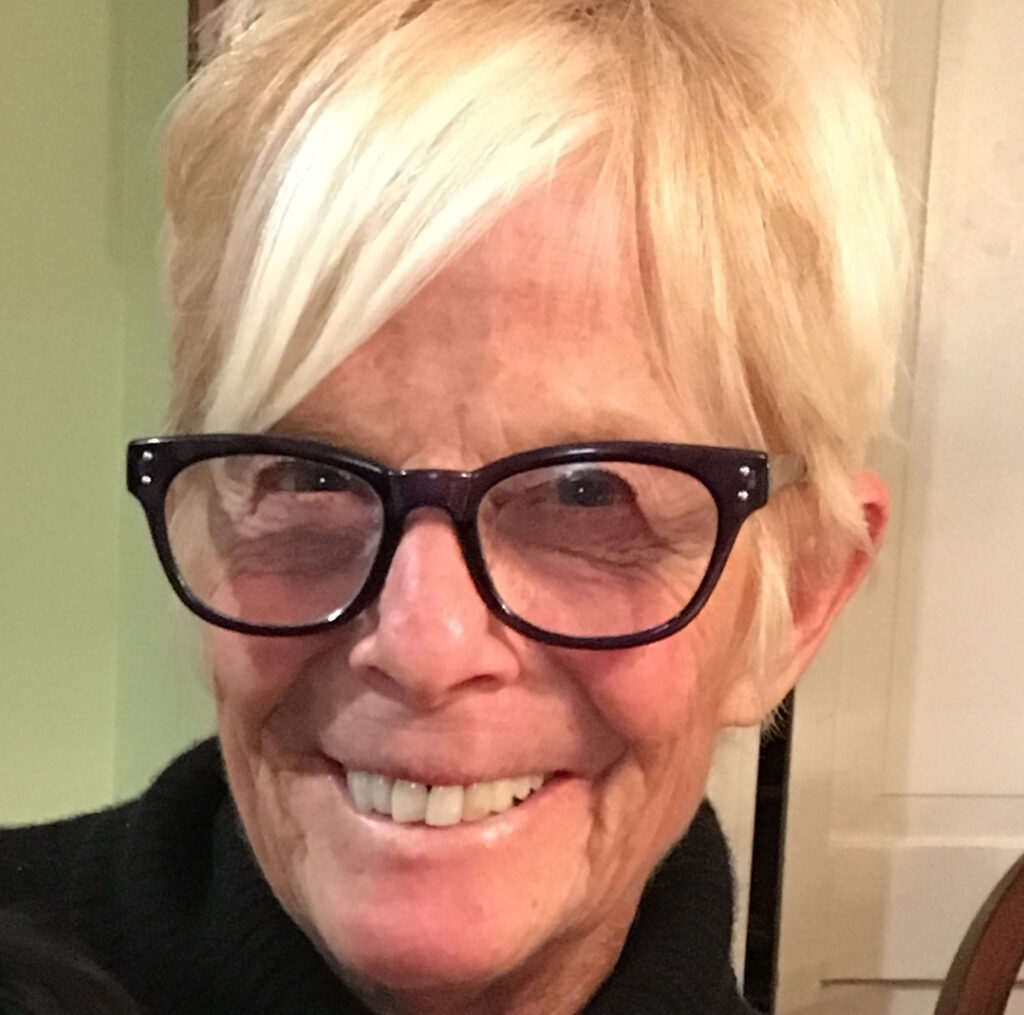
Marj Bates “I’ve spent nearly 40 years in addiction recovery, decades with The Artist’s Way, and teach The Artist’s Way Reimagined™, a slower, more supported way to work through Julia Cameron’s book The Artist’s Way – blending creative recovery tools, neurographic art, and community to help people move through resistance and stay with the process.
I’ve also changed careers later in life than most people would dare — proof that it’s never too late to begin again.”
MindSketch Lab