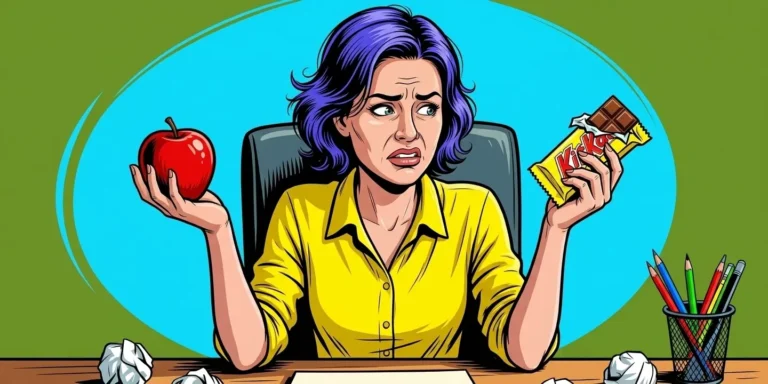
Your Life Looks Fine, So Why Do You Feel Off?
If your life looks fine but you feel off, here’s what’s likely going on:
- Something important is being ignored or outgrown
- Thinking harder won’t solve it—it keeps you stuck
- One small change breaks the pattern and gets you moving again

“From the outside, your life may look fine. So why do you feel off? You might be working, showing up, paying bills, and doing what you’re supposed to do. But inside, something feels off.”
Why Do I Feel Off When My Life Is Fine?
You get up, go to work, pay the bills, keep the house moving, and handle what needs handling. From the outside, things are going well; life looks stable, maybe even good. Yet inside, something feels off, and that gap can be hard to explain.
Maybe you woke up tired after a full night of sleep. Maybe little things get under your skin faster than they used to. Maybe you keep thinking, “My life is fine, so why don’t I feel fine?” That feeling deserves attention, and it often means more than “nothing.”

Does This Sound Like You? Spotting When You Feel Weird or Off
Sometimes this feeling is hard to name because it doesn’t always look like a clear crisis. You may not feel deeply sad. You may not be falling apart. In fact, you may be doing everything “right” and still feel flat, disconnected, or oddly heavy.
That’s what makes it confusing. If your life looks okay on paper, it’s easy to talk yourself out of what you feel when nothing is wrong. You tell yourself to be grateful. You compare your life to people who seem to have it harder. You assume you should be fine, so you keep pushing.
This constant pushing through despite the discomfort is a classic sign of high-functioning anxiety. It doesn’t mean you need a dramatic reason to struggle. It means making one or two tweaks in your life can lift you out of your funk.
Often, this is less about your whole life being wrong and more about a part of you being ignored. Maybe you’ve outgrown a routine, a pace, a role, or a set of habits that once helped you survive. Maybe the world around you feels upside down, and your nervous system is picking up more strain than you realize.
That tension is real. It’s also common.
Feeling better often starts with commitment, not with a burst of motivation.
Signs You May Be Feeling Off, Even If Nothing Looks “Wrong”
This feeling tends to show up in quiet ways before it becomes impossible to ignore. You might notice physical symptoms and other indicators like:
- Waking up tired, even after decent sleep that rules out true sleep deprivation
- Feeling more irritable, restless, or easily overwhelmed
- Going through the motions without much feeling behind them, hinting at a lack of purpose
- A low sense of dread, even when nothing is clearly wrong
- Trouble relaxing, even during downtime
- Things that used to excite you now feeling flat or “meh”
- Keeping yourself busy because silence feels uncomfortable
- Feeling numb instead of upset
- Hitting goals and finishing tasks, yet ending the day without a sense of fulfillment
Sometimes the signs are oddly specific. For one person, anxiety may show up as constant cleaning or organizing. For another, it looks like doom-scrolling, snapping at people, or losing interest in things they once loved.
I knew the jig was up when I started being snippy to my one year old puppy. He is 100% pure love and doesn’t deserve my wrath.
Why Do I Feel So Irritable Lately When My Life Looks Fine?
You can have a solid job and still feel trapped by it. You can be productive all day and still feel unfulfilled. You can have people around you and still feel alone, especially if those connections stay surface-level.
If you’ve been wondering why you feel off for no reason, start here with the Your Life Doesn’t Suck… So Why Does It Feel Like It Does? freebie. The feeling you have may be vague, but it’s not meaningless and it is worth figuring out.

Your Life Looks Fine, So Why Do You Feel Off?
You’re doing everything “right, and still feel off.
- Tired… even after rest
- Irritated by small things
- Something feels missing—but you can’t name it
- This free short guide can help you pause, reflect, and reveal what may really be going on beneath the surface. Download the 5- Minute Reset Guide here and try it for yourself. It’s free!
Why Do I Feel Weird When Everything Is Fine?
A lot of people build a life based on what seems sensible, safe, or expected. They fall into the arrival fallacy, believing that reaching certain life goals will finally bring lasting happiness, but that does not always mean it still fits.
“Having arrived” can come with a price tag. What worked at 22 may not fit you now. What once felt stable can start to feel tight, dull, or emotionally expensive.
It’s okay to pivot.
Yes -life is expensive right now. Childcare, housing, all of it. But what if a shift in your life actually paid off?
Wouldn’t it be worse to stay stuck… and miss the opportunity?
The Best Antidote to Despair is Action!
Part of the problem is that many people get very good at functioning, but not at feeling. Chronic stress gets pushed down. Needs get postponed. Hard truths get buried under schedules, chores, and responsibilities. Still, the body keeps score.
Even when your mind says, “I’m fine,” your body may be carrying emotional stress and strain that never got processed, disrupting brain chemistry and triggering hormonal changes.
Burnout does not always look dramatic. Sometimes it looks like low energy, brain fog, cynicism, or not caring about things the way you used to. A packed calendar can hide a lot of emptiness. Busyness keeps you moving, but it does not always keep you connected.
Old Habits You’ve Outgrown Can Make You Feel Off
There’s also the issue of old habits. Survival patterns often stick around long after the original problem is gone. Choosing safety over meaning, hiding your feelings, waiting for the other shoe to drop, or staying in relationships that feel thin, all of that can become normal. Yet normal does not always mean healthy.
Loose connection can also create a strange kind of loneliness, amplified by social media comparison. Being around people is not the same as feeling known. Sitting in a room full of people you do not feel close to will not nourish you the way one honest conversation can.
When people ask, “Why do I feel weird even though everything is fine?” this mismatch is often the answer. The outside view misses what is happening inside.

The Mental Loops That Keep You Stuck
Once you feel off, the mind often tries to solve it by thinking harder. That sounds useful, but it usually turns into overthinking everything.
You replay every choice. You question every flaw. You scan for the one perfect insight that will fix everything. Yet the only feedback you’re getting is your own exhausted brain, repeating itself. Overthinking feels productive because it looks like effort. In reality, it often keeps life exactly the same.
Common unhelpful thinking patterns in these psychological loops tend to sound familiar:
You tell yourself other people have it worse, so you shouldn’t complain. Then you wonder if you’re ungrateful. After that, you decide maybe this is normal, maybe you just need to try harder, maybe you’re making too much of it. Or it’s happiness anxiety, that nagging fear of losing happiness even when things feel good.
That kind of self-judgment makes it harder to hear what the feeling is trying to tell you. If every uncomfortable emotion gets dismissed or shamed, you stop listening. Then the signal gets louder.
Clarity rarely comes from thinking harder. It usually comes from movement.
That’s why insight matters, but action changes things. Waiting to feel motivated first often keeps you in place. Small action tends to create motivation, not the other way around.
Break Free With Small Actions That Change the Pattern
You probably don’t need to blow up your whole life. Most of the time, the first step is much smaller than that. The goal is to interrupt autopilot. You have to break the pattern.
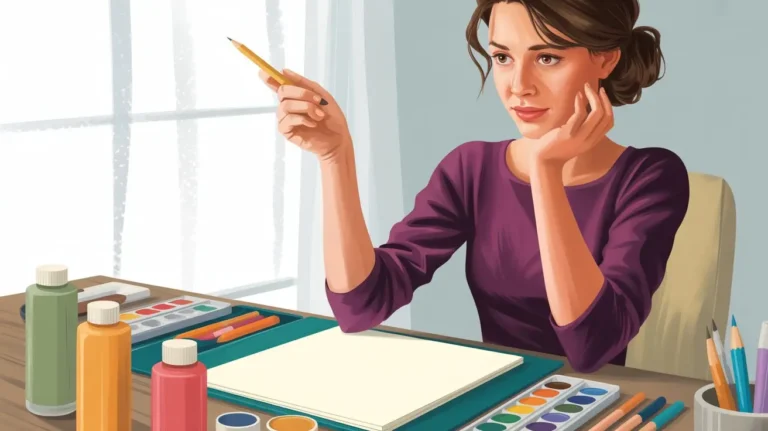
One good way to stop the loop of noise in your head is to draw some quick Neurographic Art Exercises. No, you definitely do not have to be an artist. Here is a step by step beginners guide to Neurographic Art.
Your routines, boundaries, pace, and relationships all affect how you feel. A stable job can still drain you if it clashes with your values. A healthy-looking relationship can still feel distant if you’re always hiding what you really feel. A full schedule can still leave you lonely if none of it feeds you.
That’s why the old truth still holds: nothing changes if nothing changes.
Tiny shifts matter because they help manage emotional exhaustion by breaking the pattern. They tell your brain, body, and attention that something new is possible. You don’t need a perfect plan tied up neatly. You need honest data, gathered through experience.
Small Shifts That Can Help When You Feel Off
Try one change for a week and watch what happens. Keep it simple enough that you’ll do it. Updating your self-care routine can help interrupt the pattern.
- Drive a different route to work or walk in a new area.
- Brush your teeth or write your name with your non-dominant hand.
- Put your phone away for one hour and try mindfulness exercises to reconnect with the present moment.
- Spend time in a place that makes you feel more like yourself, even for 30 minutes.
- Say no where you usually say yes, or yes where fear always makes you say no.
- Write down what drains you and what gives you energy, then look for patterns.
These ideas may sound small, even silly. Still, that’s the point. Repeating the same patterns tends to repeat the same feelings. A tiny change can loosen the groove you’ve been stuck in.
This is also why creative tools can help. Practices like Neurographic Art can interrupt mental loops in a gentle, physical way. You don’t need to be an artist – no art skills are needed. The value of these quick drawing exercises is in breaking the pattern and noticing what comes up.
Create Your First Neurographic Art Step-by-Step for Beginners
Why Community and Commitment Matter More Than Mood

When you stay alone in your own head, your thoughts can start to feel like facts. That’s one reason a social support system helps. Being around people who are moving in a similar direction can open up options you couldn’t see by yourself.
This doesn’t have to mean a huge life overhaul. It could be a support group, class, faith community, your gym, or another space you are drawn to. The key is that it’s not a place to hide. It’s a place to show up.
That’s where things start to shift – motivation builds, support shows up, and accountability keeps you moving.
That kind of support matters because motivation rises and falls. Commitment is what carries you when your mood doesn’t cooperate. If you’ve ever signed up for something and almost talked yourself out of going, you already know the difference.
A good example is taking a class that feels random or outside your usual style, then sticking with it long enough to feel a shift. Maybe it’s Tai Chi, a writing group, a drawing class, or a quiet practice you would normally dismiss as “not really me.” The magic is often not in picking the perfect thing. It’s in making a commitment and showing up.
Showing up builds trust with yourself. Not perfection, trust. You can always pivot or change course anytime.
What matters is breaking the pattern of standing still.
Feeling Off? Here’s How Small Actions Help You Break the Pattern
Action reveals what thinking can’t. And once you start, momentum builds.
That same idea applies at home. If peace is the goal, your daily choices need to support peace. That may mean less chaos, more honest yeses and noes, and fewer draining habits.
For some people, using their hands helps slow the mind. Drawing, crocheting, or any simple handwork can settle racing thoughts and create space to breathe.
If you want a more structured way to reconnect with yourself, The Artist’s Way Introduction Overview | What the Book Is (and Isn’t) offers a gentle framework built around reflection, play, and self-trust.
A big myth is this best-selling book Julia Cameron wrote in the mid nineties is for artists only. Anyone can prosper from the wisdom in this book, especially those feeing nudgy, not quite right – a little bit off.

Why Do I Feel Off Lately Deserves A Few Honest Questions
Reflection helps when it leads to action. It stops helping when it becomes another form of circling.
A few honest questions can cut through the noise. Where during the day do you feel like you’re pretending, caught in unhelpful thinking patterns? What part of your life feels the heaviest right now? What have you clearly outgrown, but keep doing anyway? Who leaves you drained every time, and why are you still tolerating that pattern?
Then ask the other side of it. When do you feel most alive, with a real sense of fulfillment? Where do you feel most like yourself? Who makes you feel safe enough to relax?
You don’t need ten answers. You need one that feels true enough to act on.
Find a question you identify with and follow it with one small move. Rejigger one part of your day. Drop one draining task if you can. Add one new thing. Get more creative about solutions than your usual habits allow. Many problems don’t need a massive fix. They need a different angle.
That one draining task you think you can’t drop – are you sure? There’s usually a workaround. You just haven’t looked for it yet.
When Feeling Off May Mean You Need More Support
Sometimes this feeling is more than stress, boredom, or misalignment. Sometimes it points to clinical depression, anxiety, or another mood disorder that deserves care.
Please take it seriously if you notice any of these signs:
- Feeling numb most days
- A strong increase or decrease in appetite
- Constant dread that won’t ease up
- Losing interest in almost everything
- Using food, alcohol, shopping, or scrolling in ways that keep you stuck
- Thoughts of harming yourself
Support is not an overreaction. It’s a wise response.
If any of those signs sound familiar, reaching out to a medical or mental health professional is the next right step.
Commonly Asked Questions
Look for waking tired after good sleep, irritability, restlessness, numbness, or things feeling flat despite productivity. You might stay busy to avoid silence or hit goals without fulfillment. These quiet cues mean a part of you needs attention before it builds.
This mismatch often comes from high-functioning anxiety, unprocessed stress, or outgrown habits that once felt safe but now drain you. Your body and nervous system pick up emotional strain even if bills are paid and routines hum along. It’s a signal to listen, not a sign everything’s wrong.
Start small – drive a new route, put your phone away for an hour, say no where you usually yes, or try a creative practice like Neurographic Art or The Artist’s Way Reimagined These tools interrupt mental loops and autopilot, creating space for what energizes you. Action builds motivation, not the reverse.
If you feel numb most days, have constant dread, big appetite shifts, lose interest in nearly everything, or notice escapist habits worsening, it’s time. This could signal depression or anxiety beyond misalignment. Reaching out to a medical professional is a strong, proactive step – not overreacting.
No – you can be deeply grateful and still feel unhappy or off in parts of your life. Dismissing discomfort as ingratitude silences what it’s trying to tell you. Honor both by making small changes that align your days with what truly nourishes you.
Start With One Honest Change
If your life looks fine but you don’t feel fine, that feeling is worth listening to. It may be telling you that something in your life needs care, not that your whole life is a failure.
Start small. Change one pattern. Find one supportive space. Make one honest choice that matches who you are now, not who you used to be.
This bears repeating, “The way out of feeling off usually begins with action, not certainty.”
What is one small thing you can change that might help you feel more like yourself again? Don’t overthink it, start with one small shift today.
Key Takeaways
- Feeling off even when life looks fine is common and often signals high-functioning anxiety, burnout, or outgrown routines—not that you’re broken or ungrateful.
- Subtle signs include waking tired despite sleep, irritability, numbness, or going through motions without fulfillment; your body keeps score on unprocessed stress.
- Overthinking keeps you stuck—action changes things; start with tiny shifts like a new route, saying no, or creative practices to interrupt autopilot.
- Build momentum through community, commitment, and honest reflection: one small change toward what energizes you can reconnect you to yourself.
- If numbness, dread, or loss of interest persists, reaching out for professional medical support may be what is needed.

Marj Bates “I’ve spent nearly 40 years in addiction recovery, decades with The Artist’s Way, and teach The Artist’s Way Reimagined™, a slower, more supported way to work through Julia Cameron’s book The Artist’s Way – blending creative recovery tools, neurographic art, and community to help people move through resistance and stay with the process.
I’ve also changed careers later in life than most people would dare — proof that it’s never too late to begin again.”
MindSketch Lab