The Artist’s Way Reimagined | How To Feel Less Overwhelmed

If you’ve been feeling overwhelmed, flat, or disconnected, you don’t need to force a huge life change. I show you how to feel less overwhelmed in this article.
You can look fine on the outside and still feel completely off inside.
Maybe you’re tired all the time, snapping more easily, or lying awake with a busy mind that won’t switch off.
When life feels heavy, the usual advice to “push through” often makes things worse. Sometimes what helps most isn’t doing more — it’s slowing down enough to hear yourself again.
That’s where The Artist’s Way Reimagined comes in. It’s a gentler, more practical way to clear mental clutter, feel calmer, and reconnect with yourself.
Key Takeaways
- A slower approach can help you feel less overwhelmed.
- Morning pages can reduce mental clutter.
- Creative habits can support stress relief.
- Gentle support makes change easier.
Why So Many People Feel Stuck Right Now
Sometimes life looks fine on paper, but something still feels off.
You keep up with responsibilities, try to do the right things. You work hard. But underneath it all, there’s often a quiet feeling of stress, disconnection, or low-level dread that doesn’t seem to go away.
For a lot of people, it shows up like this:
- your mind won’t switch off at night
- you feel tired even when you’ve rested
- small things feel heavier than they should
- you feel disconnected from joy, creativity, or motivation
That kind of stress is hard to solve by simply pushing harder.
Sometimes what helps most isn’t more effort. It’s a gentler way to listen to yourself again.
A Common Myth about The Artist’s Way & How It Can Help You Feel Less Overwhelmed
You don’t need to paint, write novels, or call yourself creative to benefit from it. At its heart, this work is about reconnecting with yourself — your energy, your clarity, your sense of possibility.
In fact, if I had my way, this kind of self-reflection would be taught in schools. Learning how to listen to yourself, process your thoughts, and make space for creativity isn’t a luxury. It’s a life skill.
The Artist’s Way Reimagined is a slower, more realistic approach to Julia Cameron’s classic book The Artist’s Way.
While the original 12-week program has helped many people, myself included, it can feel intense when you’re already stretched thin. We are trying to lessen our feeling of overwhelm and slowing it down does just this.
The Artist’s Way Reimagined honors Julia Cameron’s brilliant work, but makes it easier to fit into real life by:
- slowing the pace to one chapter per month instead of one per week
- keeping core practices like morning pages and artist dates
- adding neurographic art for quick stress relief
- building in group support and accountability
The goal isn’t to become a professional artist. The goal is to feel calmer, clearer, and more connected to yourself.
Remember when you were a kid and you’d do cartwheels anywhere — just because it felt good? No one had to teach us how to find joy. Most of us simply let life crowd it out.
Part of this work is about bringing those moments back.
For me, that means making space every day for something that feels light or joyful. Today, it was taking the pups for a walk in the woods. I nearly let that old tired excuse – “I don’t have time” – win.
I’m glad I didn’t.
And judging by their wagging tails, the pups were too.

Consistent Solo Outings Help Lessen Overwhelm
Another simple part of The Artist’s Way is the idea of Artist Dates – small blocks of time set aside just for fun, curiosity, or pleasure.
The important part is that they’re done alone. This is time to check in with yourself, follow what feels interesting, and give your mind a break from responsibility.
That might mean:
- a walk in the woods
- visiting a gallery
- sitting in a coffee shop with your journal
- wandering around a bookshop
- doing something playful just because it lifts your mood
These moments may seem small, but they can make a real difference. I love going into the city and visiting a place I have never been before. I always come home inspired!
When you regularly give yourself permission to slow down and enjoy something simple, life can start to feel lighter.
Over time, these small solo outings can help you feel less overwhelmed, more present, and more like yourself again.
Start With One Small Step
You can start with the free Mini Reset to gently clear mental clutter and feel more grounded.
It’s a simple first step if you want to feel calmer, clearer, and less stuck before committing to anything bigger.

Your Life Looks Fine, So Why Do You Feel Off?
You’re doing everything “right, and still feel off.
- Tired… even after rest
- Irritated by small things
- Something feels missing—but you can’t name it
- This free short guide can help you pause, reflect, and reveal what may really be going on beneath the surface. Download the 5- Minute Reset Guide here and try it for yourself. It’s free!
How Creative Recovery Helps Reduce Overwhelm
One of the biggest reasons people give up on personal growth tools is overwhelm.
Even something helpful can feel like too much if your nervous system is already overloaded.
The Artist’s Way Reimagined removes that pressure.
Instead of treating healing or self-discovery like another task on your to-do list, it gives you space to slow down.
That slower rhythm can help you:
- realistically fit it into your schedule
- notice what’s really bothering you
- clear mental clutter
- feel less reactive
- make better decisions
- feel more hopeful again
This is about steady change, not dramatic overnight transformation.
Often, it’s the small changes you choose — and stick with — that make the biggest difference over time.
My advice is simple: start with one change at a time. Give yourself space to experiment until it feels natural, something you genuinely enjoy or look forward to, rather than another task to force.
Keep tweaking it until it fits your life in a way that feels sustainable.
Once that habit starts to settle in and feel like part of your routine, then you can gently add the next thing.
Slow and steady may not feel exciting in the moment, but over time, it can change your life in ways that really last.
Morning pages help clear mental clutter. Writing down your thoughts first thing
in the morning can quiet a busy mind and help you feel more grounded.
What Morning Pages Actually Do For Your Mind
Morning pages are three pages of handwritten thoughts written first thing in the morning. I did them for years, and I would no more skip them than I would my morning coffee.
You don’t need to write well. You don’t need to be insightful. The point is simply to get what’s in your head onto paper. I call it a brain dump.
Writing morning pages as a daily habit can help you:
- quiet racing thoughts
- release emotional buildup
- notice patterns
- feel less mentally crowded
For many people, it becomes one of the simplest ways to create a little more inner calm. Over time, it can also become a comforting morning ritual — a gentle way to begin the day.
Where people often get tripped up is trying to write something polished or profound. They start worrying about appearance, punctuation, or grammar.
That misses the point.
Most mornings, you can barely read my morning pages — and that’s perfectly fine. I rarely look back at what I’ve written anyway, so neatness doesn’t matter.
What matters is getting what’s in your head out onto the page without judging it.
One of my favourite lines from The Artist’s Way is: “You do the quantity, and let the Creator do the quality.”
That takes the pressure off.
Above all, remember – progress, not perfection.
If three pages feels too much at first, start with two. The important thing is to begin. Like most things in life, what you get out of it is often closely linked to what you’re willing to put in.
How Neurographic Art Helps With Stress
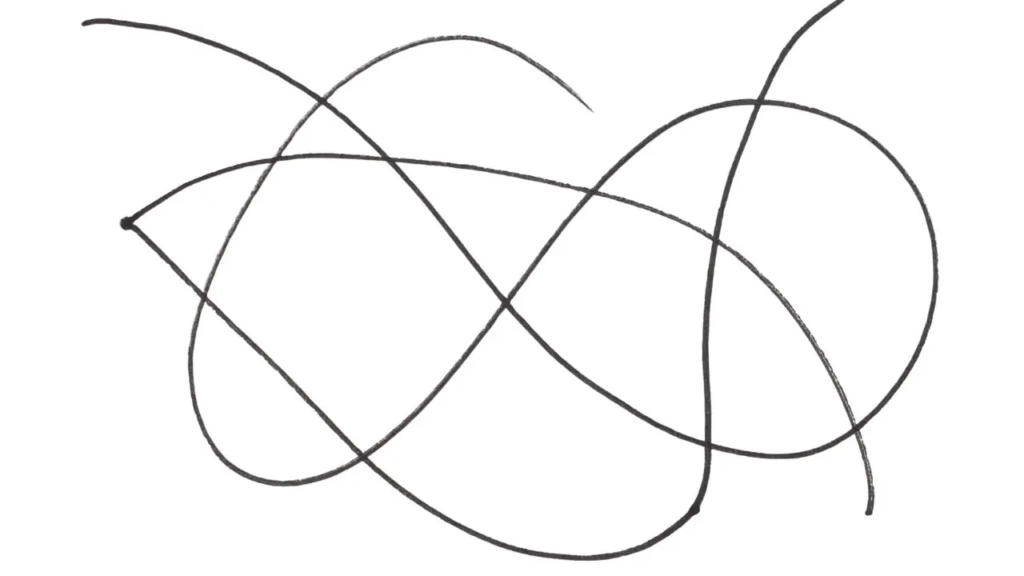
Neurographic art is a simple drawing practice that uses flowing lines and shapes to help calm a busy mind.
You don’t need to be artistic. It’s less about making something beautiful and more about giving your brain a break. Think of it as a road map. You start in one frame of mind and end in another.
Even five minutes can help you:
- slow your breathing
- interrupt overthinking
- feel more grounded
- reconnect with playfulness
When life feels noisy, small creative rituals like this can make a real difference.
Reduce Stress with Art Journaling & Neurographic Art
Community makes change easier. When you feel supported, you’re more likely to stay consistent, build self-trust, and keep going – even when motivation dips.
Why Community Makes Such A Difference
Trying to make changes on your own can feel lonely.
That’s one reason this reimagined approach includes group support.
Having a space where you can:
- be honest about how you’re feeling
- notice resistance without judgment
- feel encouraged instead of pressured
- return to the process gently
… can make it much easier to keep going.
Support doesn’t have to be dramatic to be powerful. Often, just knowing you’re not doing it alone is enough to help you take the next step.
I’ve guided dozens of The Artist’s Way groups over the years, and very few people drop out when they feel part of a supportive community.
Over the same period, I’ve heard from many people who tried to do The Artist’s Way on their own and found it hard to stick with.
That’s why community matters so much. It adds encouragement, accountability, and a sense that change is possible – even when motivation dips.

Can Journaling Really Help Anxiety??
The Artist’s Way can help reduce overwhelm by creating quiet time for reflection, creative play, and emotional release.
Many people find that simple practices like journaling, walking, or making space for small creative moments help lower stress.
That said, this is not a substitute for therapy or medical support.
It’s a gentle support tool that can help you feel more grounded, but it’s not designed to replace professional mental health care. Please seek professional medical care if needed.
Who This May Not Be Right For
The Artist’s Way Reimagined can be powerful, but it may not suit everyone immediately.
It may feel challenging if:
- you dislike reflective writing
- you want instant results
- you’re currently in acute crisis and need professional mental health support first
This is a gentle support tool, not therapy or a replacement for clinical care.
How Long Does The Artist’s Way Take?
The original The Artist’s Way is structured as a 12-week program.
This reimagined version spreads the process over 12 months instead.
That slower pace makes it far more manageable for people with busy lives, stress, or limited emotional bandwidth.
Rather than rushing through the process, the focus is on building small habits that actually stick – and doing so in a supportive environment where trust can grow.
When people feel safe and supported, they’re often much more willing to stay accountable.
And accountability really is half the battle.
The more often you follow through on the small promises you make to yourself, the more self-trust you build.
As self-trust grows, confidence tends to grow with it.
And when you feel more confident in yourself, you’re far more likely to protect space in your life for things that bring you joy — even on the busiest days.
A Kinder Way To Start Feeling Better
If you’ve been feeling stretched thin, disconnected, or mentally cluttered, you don’t need to overhaul your whole life.
Sometimes the most meaningful change begins with giving yourself permission to slow down.
That might mean:
- writing in the morning
- taking a quiet walk
- trying five minutes of neurographic art
- making space for something playful again
Small steps count.
They’re often what help you feel like yourself again.
No. Despite the name, The Artist’s Way is for anyone who feels stuck, overwhelmed, or disconnected. You don’t need to be a painter, writer, or musician. The real purpose is to help you reconnect with yourself and bring more clarity, joy, and creativity into everyday life.
Morning pages are three pages of handwritten thoughts written first thing in the morning. They’re not meant to be polished or perfect — they’re simply a way to clear mental clutter, quiet racing thoughts, and start the day feeling more grounded.
The pace and community are the big differences. Instead of working through the book in 12 weeks, this reimagined version stretches the process over 12 months. Adding community includes added support, accountability, and calming tools like neurographic art to make the process feel more manageable.
Many people find that practices like morning pages, creative play, and slowing down can help reduce feelings of stress and mental overload. While this isn’t a replacement for therapy or medical support, it can be a gentle tool for feeling calmer and more in control.
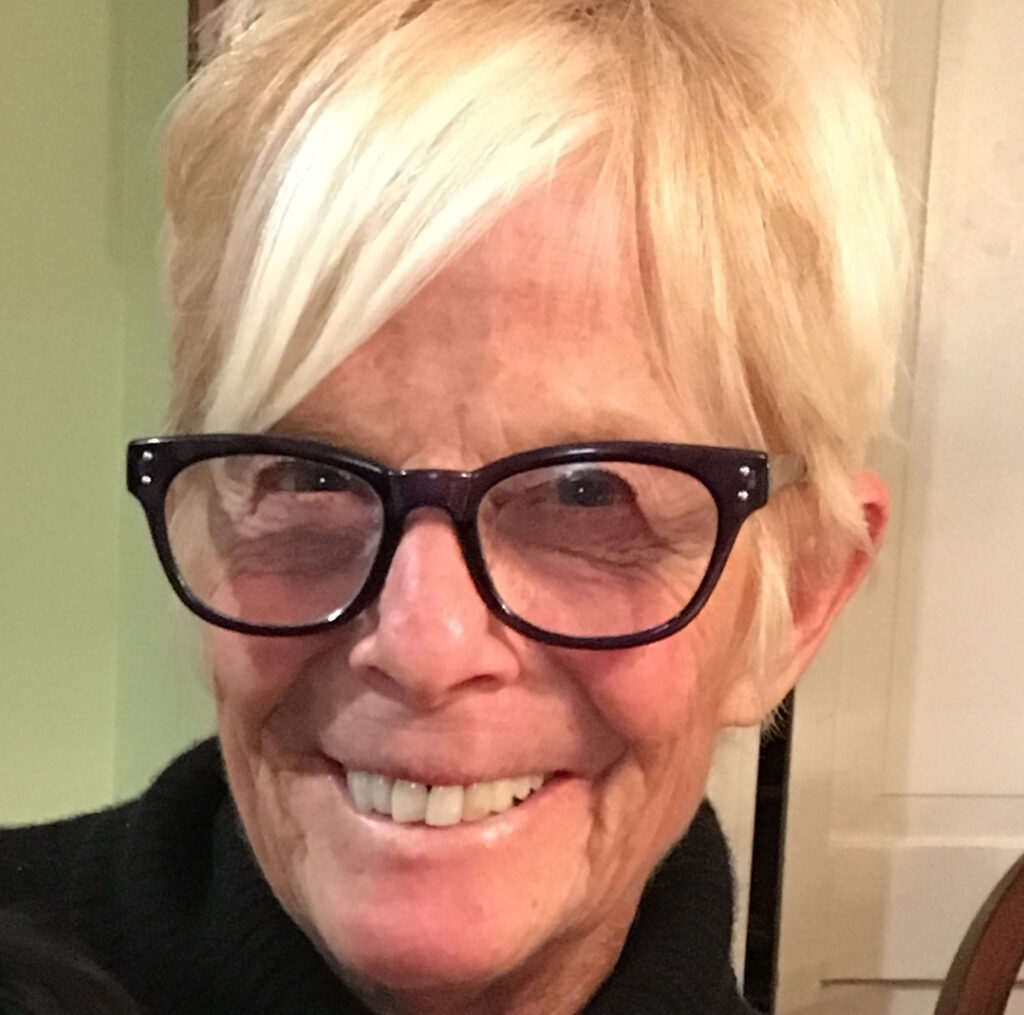
Marj Bates “I’ve spent nearly 40 years in addiction recovery, decades with The Artist’s Way, and teach The Artist’s Way Reimagined™, a slower, more supported way to work through Julia Cameron’s book The Artist’s Way – blending creative recovery tools, neurographic art, and community to help people move through resistance and stay with the process.
I’ve also changed careers later in life than most people would dare — proof that it’s never too late to begin again.”
MindSketch Lab