Reduce Stress with Art Journaling & Neurographic Art

How on earth can you Reduce Stress with Art Journaling & Neurographic Art? I too was a sceptic. Then again, I am known to be cynical at times.
Clutter isn’t just piles of physical stuff. Mental clutter is the stuff between your ears that keep you distracted and puts distance between you and your dreams.
How Art Journaling Helps Clear Mental Clutter
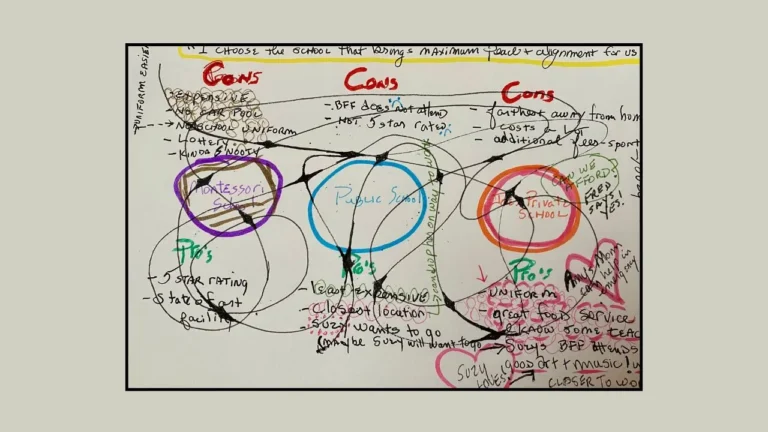
Art journaling as therapy gives you a safe way to explore your thoughts on paper. No art skills are needed. You write words or draw lines—no one is grading your spelling or penmanship.
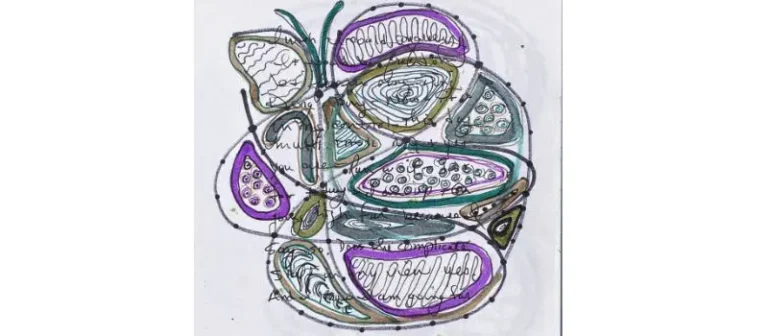
Empty the noise from your mind onto the page. When you combine journaling or writing a few relevant words with neurographic line drawing, you dig even deeper, letting more layers of truth come out.
I have always believed we all have the answers inside of us. We just have to stop for a few minutes and listen. ‘Stopping’ being the operative word.
Think of the ‘busy work’ we have all been guilty of. I was always the last one to know at the time that my busy work was all about avoiding what really needed attention. It is in hindsight we get this message – if we are lucky!
The Power of Neurographic Art

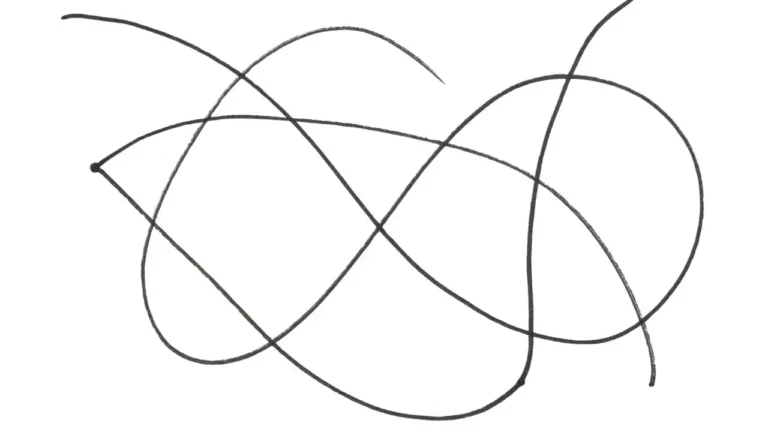
Neurographic art uses flowing, curved lines that help interrupt old thought patterns. Humans are wired to search for patterns. These mental loops, and recurring thoughts we have can hold us back by distracting us.
We have to recognize we are having these constant recurring negative thoughts about stuff you wish you had or hadn’t said, or other things you can’t change.
When my cherished soul mate dog died last fall I had to train myself to stop thinking about the horrible cancer that ended his life. I put my favorite pictures of Simon around to remind me of the all the special fun times we enjoyed. This worked!
Drawing and connecting lines helps redirect your focus to what’s happening now, so you’re not stuck in yesterday’s worries or tomorrow’s fears. It is, in a sense, a rewiring of your brain.
For more tips read How to Focus | 5 Tools to Clear Your Head Fast

An author named Pavel Piskarev developed some methods of neurographic art.
I love combining a few written words including my daily intention with curvy lines drawn over the text. I often add color and this makes for some fun finished pages in my sketch pad.
It is not about how aesthetically pleasing the page is – it is how the practice makes you feel.
My 30-Year Journey with Journaling and Creativity
I’ve been writing morning pages since Julia Cameron’s The Artist’s Way hit bookshelves decades ago. The same practices work today that did back then.
When I put my pen down I feel focused and have a direction to start my day.
With practice, journaling sticks as a habit. Blending neurographic art into my process has made the whole thing more powerful – and fun!
Why Art Journaling for Mental Decluttering Works Wonders is an article I wrote and explains more about Neurographic art.
If you Feel like your brain is overloaded or scattered lately this simple, creative toolkit I created helps you pause, reset, and move forward — one small prompt at a time. It’s Free so you have nothing to lose to try!

The Soft Landing Kit
A free 7-day reset for overloaded minds
What you’ll get:
For anyone feeling heavy, scattered or emotionally full – this kit helps you stay grounded in spite of the stress!!
Overcoming the Myth of “No Talent”
Don’t let “I’m not creative” myth stop you. Thirty years ago, I could barely sketch a stick figure, and can’t do much better today.
Another thing about 30 years ago is I started a business that has supported me for all these years doing something I never had even imagined was a business niche!
I started as a Venetian glass beadmaker – me with no experience in melting Venetian glass or any kind of glass!
All it took was my willingness to take a couple of workshops, continue teaching myself as the opportunities presented themselves, and PRACTICE. Lots of practice!
I called very day I went into my studio to melt glass a practice session.
In the beginning the glass beads I made were, wonky at best. The more I practiced, the easier it became to make beautiful glass pieces.
Anyone can start art journaling today with just a pen and paper. Practice counts more than talent.
If you Feel like your brain is overloaded or scattered lately this simple, creative toolkit I created helps you pause, reset, and move forward — one small prompt at a time. It’s Free so you have nothing to lose to try!

How Art Journaling Boosts Decision Making
Journaling helps you learn what you like—and don’t like—so you make faster, easier choices. People often rattle off what they dislike but can’t name what they truly want. Art journaling makes these preferences clearer.
Writing, drawing, and focusing allows you to find your truth. Once you know your truth it is just a matter of following a road map or logical plan to manifest your desires. Yes it is simple and not necessarily easy, all at the same time.
The hardest part for most people is the time it will take from start to finish – if you look at it in these terms. Two things about this gripe. One is the time is going to go by anyway so why not start doing what you love.
And two, by starting you will be manifesting wins along the way. The wins are meant to be applauded and savored and this is doable by living by the ‘one day at a time’ rule.
Living one day at a time means stop regretting yesterday and worrying about tomorrow. Keep your thoughts in this day only. Having an icky day? It is only one day. We can all get through a lot for just 24 hours.
Just because today may stink doesn’t mean tomorrow will. We get a new chance every single day. Once I got this through my thick head, change began to happen.
Practical Tips to Start Art Journaling
- Grab any notebook or loose paper and a pen or marker.
- Write whatever’s on your mind—no filters or rules.
- Add lines, curves, or shapes. Let your hand move freely.
- Make it a habit—try a 30-day art journaling challenge.

Current Challenges and Why Mental Clarity Matters
Life feels especially noisy these days. Tensions in society and social media battles can add to the chaos in my head- if I allow it. Even after decades of mindful practice, I still need these tools to keep my peace of mind.
A few minutes of focused Art Journaling helps me stay present. When my mind is present I can accomplish a lot. ‘A lot’ does not always refer to work related stuff. I consider grabbing a few moments of daily joy an accomplishment.
If I can indulge in an extended period of joy filled activity like sitting in the sun and reading a few chapters of a special book or taking the dogs for a leisurely walk – well this is what I call a well deserved Party – with a capital ‘P’!
Read about why you may be feeling more irritable lately when nothing is really wrong
Creating Space for New Things
Every time I clear out old stuff—physically or mentally—something new enters my life. It’s like opening a door that’s been stuck shut.
Seeing patterns of harmful behavior emerge through my daily writing – like negative talk, or excuses I make – is an opportunity to change.
Why This Works for Everyone
Everyone can benefit from art journaling and neurographic art, no matter your age or background. Creativity is natural. Try it for yourself, and trust the process—you might surprise yourself.
You can’t write words or draw lines the wrong way. There are no mistakes. Just the opposite! This practice allows you the freedom to make your intentions known.
Key Points to Remember
- Mental clutter can block growth and reaching your desired goals
- Art journaling clears your mind.
- Neurographic art helps break old patterns.
- Practice matters more than talent.
- A clear mind can make a goal with a plan to succeed!
For more creative ideas and tools, visit MindSketch Lab. Turn decluttering into a joyful, creative journey—and make more room in your life for what you love.
Marj Bates “I’ve spent nearly 40 years in addiction recovery, decades with The Artist’s Way, and teach The Artist’s Way Reimagined™, a slower, more supported way to work through Julia Cameron’s book The Artist’s Way – blending creative recovery tools, neurographic art, and community to help people move through resistance and stay with the process.
I’ve also changed careers later in life than most people would dare — proof that it’s never too late to begin again.”
MindSketch Lab

🖋️ Calm Your Mind with Quick Art Journaling
Feeling mentally cluttered or emotionally stuck?
Just 10 minutes of neurographic-style journaling can help you:
- Gently release mental noise
- Regulate your nervous system
- Gain clarity without overthinking
- Create space for calm and insight
🎨 No art skills needed—just a pen, paper, and curiosity.